

The highest wineries in the world are here. The Tarija region, a valley in the south of Bolivia that borders with Argentina at 1700 m.a.s.l. is the ideal region for wine-making.
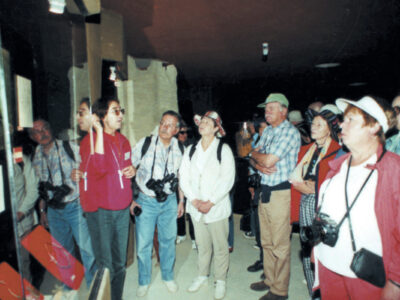
Bolivia’s competitive advantage as a touristy destination is based on its cultural and natural attractions. Study theme tours are ample in both cultural and nature possibilities.

Bolivia is a country of superlatives. It has the highest navigable lake in the world, the highest commercial airport, the highest golf course, the highest ski run, and the highest capital, one of the oldest ruins and what is said to be the highest concentration of cosmic rays on earth.

For centuries, llama trade caravans have provided the principal link between shepherds of the Andean highlands and agriculturists who inhabit the valleys.
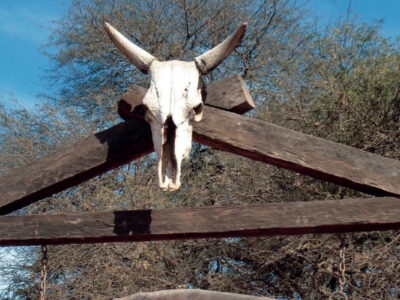
Historically, the traditional “Haciendas” in Bolivia were engaged in mixed livestock and crop production. Some of them were plantations, mines, or even business factories.

The music of Bolivia can be described as the heartbeat of the country. Each region has its own distinctive music that reflects its particular lifestyle, its mood and its physical surroundings.

Churches abound in Bolivia and Roman Catholicism is the dominant religion. During the colonial period Spanish Franciscan, Dominican and Jesuit priests accompanied the first Spanish colonists..

Astronomy was an essential tool for the ancient Andean cultures, from the Tiwanaku culture to the Inca Empire.

The caves are one of the main attractions of Toro Toro National Park. Only eleven caves have been explored by different researchers; there are 35 yet to be explored.

Most of the cattle breeding in Bolivia takes place in the Beni and Santa Cruz regions. Jesuits introduced cattle in 1675.